 Istanbul Turkey Package Tours
Is Turkey Safe for Visitors on a Tour Package?
Is Turkey safe? For the classic package route through Istanbul, Cappadocia, Pamukkale, Ephesus and Gallipoli, the government advisories point the same way: the warnings sit along the southeastern borders, away from the places a tour package actually goes. This guide sets out what the UK FCDO and Canada advise, and where. It then covers the everyday risks in Istanbul, from pickpockets to taxi meters and the shoe-shine trick, plus dress rules at mosques, road safety and the 112 emergency number. If you are weighing up routes and prices, start with the Turkey tour packages comparison, then come back here for the safety picture. The honest answer first: the zone governments warn about is in the southeast, and the package routes run through the west and centre of the country.
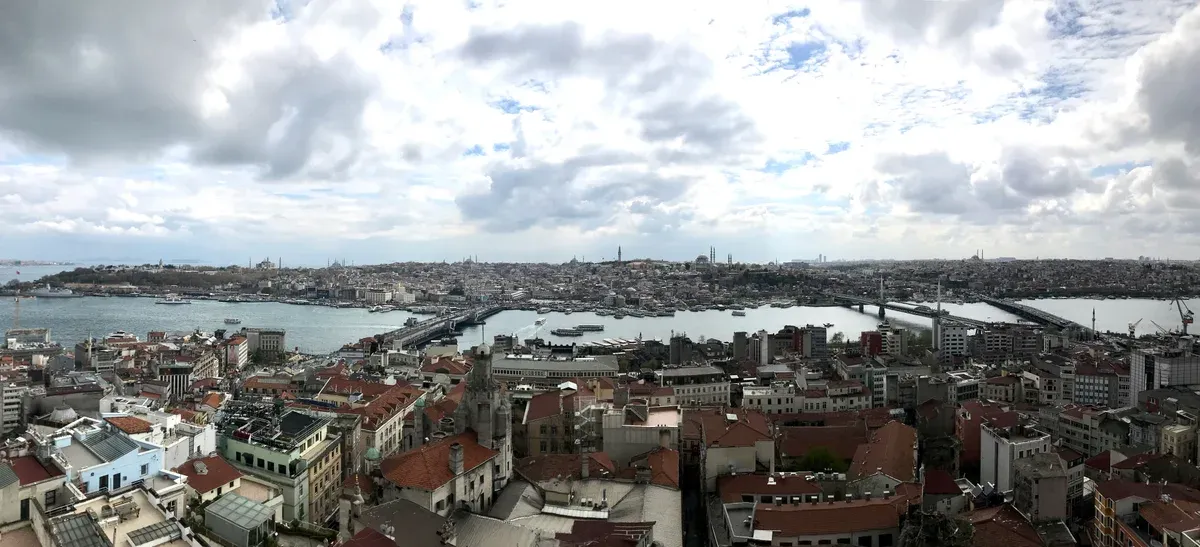
Istanbul and the Golden Horn from the Galata Tower. Photo: Ilya saffarian Tousi, CC0, via Wikimedia Commons
Quick answer The short answer
Is Turkey safe? Yes for the package route: the UK FCDO advises against all travel only within 10 km of the Turkey-Syria border, in the far southeast, while the classic tour route of Istanbul, Cappadocia, Pamukkale, Ephesus and Gallipoli sits outside those zones. Canada's headline advice is to exercise a high degree of caution, with the same 10 km border zone excluded and Hakkari and Sirnak provinces flagged separately. Turkey received about 47.25 million foreign visitors in the first ten months of 2025, and Istanbul alone took 16.01 million of them, 33.9 percent of the national total. The risks that reach a package traveller are mostly ordinary ones: pickpockets, taxi overcharging, road accidents and earthquakes. The FCDO also says terrorists are likely to try to carry out attacks in Turkey, including in places foreigners visit.
Key takeaways
- See how the classic route compares trip by trip in the homepage comparison table, then check the 7-Day Best of Turkey Tour at $1,713 per person.
- The 2-Day Gallipoli and Troy Tour covers the Dardanelles battlefields in the northwest, far from any advisory zone.
- Pick the season with the weather and crowds you want in the best time to visit Turkey guide.
- Budget the whole trip, including insurance and tips, with the Turkey trip cost breakdown.
What the Governments Advise
The UK and Canadian governments both draw a hard line around the southeast and leave the west and centre of the country, where the package routes on this site run, outside the warnings.
Advice by Government
The table below compares the headline positions of the UK Foreign, Commonwealth and Development Office and the Canadian government, as their own travel pages state them. Read the middle column closely: neither government advises against travel to Turkey as a whole. Both name specific zones near the Syrian and Iraqi borders, and Canada adds two provinces.
Everything a tour package touches, from Istanbul's old city to the Aegean coast, sits outside those zones. Canada's stated rationale for its headline caution is terrorism and the possibility of large demonstrations. The FCDO adds that terrorists are likely to try to carry out attacks in Turkey, that places visited by foreign nationals could be hit, and that most attacks have occurred in southeast Turkey, Ankara and Istanbul.
| Government | Advice | Where it applies |
|---|---|---|
| UK FCDO | Advise against all travel | Within 10 km of the Turkey-Syria border, because of fighting and a heightened risk of terrorism in the region |
| Canada | Exercise a high degree of caution (with regional advisories), due to terrorism and possible large demonstrations | Avoid all travel within 10 km of the Iraq and Syria borders, and some highways fall inside this zone. Avoid non-essential travel to Hakkari and Sirnak provinces |
The Warning Zone and the Package Route
The zone both governments warn about follows the border with Syria in Turkey's far southeast, and Canada extends a 10 km strip along the Iraqi border too. The FCDO adds that roads in Hatay Province leading towards the Syrian border may close at short notice, and that in Hakkari province you need permission from the Governor's Office to visit areas near the Iraq and Iran borders. Mount Ararat in Agri Province is a special military zone needing permission and a fee. None of these places appear on a package itinerary.
The classic route runs Istanbul, Cappadocia, Konya, Pamukkale, Ephesus and Gallipoli, in the west and centre of the country, and none of these places lies in the border zones the advisories name. Practically, a traveller on the 2-Day Private Pamukkale and Ephesus Tour does not enter any of the advisory zones named above. It is also worth knowing the rules that follow from the advisories: the FCDO warns that travel insurance could be invalidated if you travel against its advice, and that in-person consular support is severely limited in the areas it advises against. Canada adds that visitors should carry original ID rather than copies, and that hotels must register guests with the police or gendarmerie.
Terrorism, Demonstrations and Earthquakes
Canada's stated reason for its headline caution is terrorism and the possibility of large demonstrations. Its page also warns of the Istanbul bar scam, where tourists are invited to a bar and forced to pay a steep bill, and of spiked drinks and adulterated alcohol with high methanol levels, so watch your drink and stick to licensed venues. On demonstrations, the sensible line for any visitor is to avoid crowds that gather for political causes and move away if one forms nearby.
Earthquakes are a real feature of Turkish geography. The FCDO says many parts of the country regularly experience earthquakes and tremors, and that a 6.2 magnitude quake in the Sea of Marmara was felt strongly in Istanbul. The larger recent disaster was in the southeast: the Kahramanmaras earthquakes struck on 6 February 2023, the first at magnitude 7.8 at 04:17 local time and a second at magnitude 7.7 the same day, causing 53,537 confirmed deaths in Turkey according to Wikipedia. Those quakes hit provinces such as Hatay, Gaziantep and Malatya, none of them on the package route. Canada advises moving to higher ground if you are near the coast after a strong quake. For practical trip planning around weather rather than geology, see the best time to visit Turkey guide.
Is Istanbul Safe Right Now
Istanbul took 16.01 million foreign visitors in the first ten months of 2025, a third of Turkey's total, and Euromonitor ranked it the fifth most visited city in the world. That volume tells you the city works for tourists. The risks it does have are petty and predictable.
Pickpockets and the Known Scams
Canada warns of pickpocketing and bag snatching throughout the country, and the FCDO says street robbery and pickpocketing are common in Istanbul's major tourist areas, so keep wallets in a front pocket and bags zipped and in front of you. The scams are well documented and easy to dodge once you know them. In the shoe-shine scam a brush is dropped near you, you get a shine, then face a large demand, so do not pick up the brush. A genuine shoe shiner usually stays in one spot and charges about 5 to 10 TL, so agree a price for both shoes first.
Restaurants have their own versions. Some tourist restaurants hand foreigners a separate, higher-priced menu, so compare prices before ordering, and ask what is included, because bread, nuts or extra fries that arrive uninvited can be added to the bill. A well-dressed stranger inviting a lone tourist to a bar is a known setup for an inflated bill, and friendly "guides" offering directions can steer you into carpet or leather shops. A private guide booked in advance removes the guesswork: the Private Istanbul Tour 1 to 3 Days uses a licensed guide from $90 per person, tickets and lunch excluded. For what a week in the country costs overall, see the Turkey trip cost guide.
Taxis, Transit and Roads
Taxi overcharging is reported around traffic jams and supposed shortcuts, so agree the meter runs before the car moves and carry smaller notes, because shops may refuse a 200 TL note for small purchases. Canada notes that many taxis lack working seatbelts and that pedestrians have right of way but drivers do not always yield, so cross at signals even when locals do not. It also advises avoiding driving after dark outside major cities.
Road safety is the one statistical risk that clearly affects a Turkey visit. TurkStat counted 6,035 road deaths in 2025, down 5 percent from 2024, a rate of 18.0 deaths per 100,000 motor vehicles, and about 16.5 people died on Turkish roads per day. Helmets are mandatory on motorcycles and mopeds, and drink driving can bring a fine and a 6-month licence confiscation. Package travellers often ride in organised vehicles and on domestic flights: Turkish Airlines and Pegasus cover most domestic routes, with SunExpress and AJet on tourist corridors. In the city the Istanbulkart works on buses, metro, trams and ferries. Laws also matter here: the FCDO warns to expect a prison sentence of 4 to 24 years and heavy fines for drug offences, even in airport transit.
Mosques, Dress and Conduct
Most friction visitors report in Istanbul is cultural rather than criminal. Canada says all visitors must cover arms and legs and women must cover their heads in places of worship, and the FCDO says to dress modestly at mosques and religious shrines. At the Blue Mosque in practice men wear long trousers, women cover hair, shoulders and knees, and shoes come off at the entrance. The mosque closes to tourists for about 30 minutes at each of the five daily prayers, so time your visit around them. Photography has limits too: the FCDO says not to photograph military or official installations and to ask before photographing people.
Conduct rules go beyond dress. Canada notes it is illegal to insult Ataturk, the president, the flag, the national anthem or the currency, and that people have been prosecuted over online posts criticising the government, so treat social media as you would a public speech. Foreign phones must be registered within 120 days or they will be blocked, which matters mainly for long stays. Women travelling alone: Canada says solo women may face harassment, verbal abuse and sexual assault, and to call 112 if it happens. The FCDO advises reporting harassment or assault to your hotel and the police or gendarmerie, and 112 reaches all emergency services. Turkey also keeps 110 for fire, 155 for police, 156 for gendarmerie and 177 for forest fires. The UK EHIC and GHIC are not valid in Turkey, which makes travel insurance more than a formality.
Sources: UK FCDO, Canada and The Istanbul Insider
Is Turkey Safe to Visit? Crime, Terrorism and Travel Safety
A safety overview to read beside the official advice. Third-party video by Travel Safe - Abroad. This site did not shoot it and has no relationship with the creator.
Safety on a Tour Package
A package removes most of the decisions that create risk for an independent visitor in Turkey. Here is what it handles and what it does not.
What a Package Handles
The main safety gain is not armour, it is a licensed guide, a booked transfer and a domestic flight that someone else monitors. The 7-Day Best of Turkey Tour at $1,713 per person includes 3 domestic flights, boutique hotels, all entrance fees and a guide, so no stranger at a bus station decides where you sleep. The 4-Day Small-Group Fly-In Tour at $1,488 carries 3 domestic flight tickets with taxes and runs in groups of up to 15. For Istanbul itself, the Private Istanbul Tour 1 to 3 Days at $90 is guiding only, with a flexible pickup point, so a licensed local handles navigation and negotiating. On the 2-Day Gallipoli and Troy Tour at $367 the road legs, the hotel in Canakkale and lunch are all booked for you. Check each listing's inclusions carefully. The 4-Day Private Turkey Tour at $1,900 lists flights and accommodation as included in one place and excluded in another, so confirm with the operator before paying.
What a package does not do is remove everyday city risk. You still walk through crowds with a phone in your pocket, still hail taxis, still eat in tourist restaurants. Sections below cover that.
| Tour | Price | Licensed guide or transfers | Domestic flights |
|---|---|---|---|
| 7-Day Best of Turkey Tour | $1,713 | Guide, all entrance fees | Yes, 3 domestic flights |
| 4-Day Small-Group Fly-In Tour | $1,488 | Guide, airport transfers | Yes, 3 domestic flights with taxes |
| Private Istanbul Tour 1 to 3 Days | $90 | Licensed guide, flexible pickup | No |
| 2-Day Gallipoli and Troy Tour | $367 | Guide, road transport, hotel | No, by road |
Balloon Safety Rules in Cappadocia
Balloon flights in Cappadocia sit under a regulator and a flag system. Turkish civil aviation, SHGM, licenses balloon operators. Each morning the regional authority issues a green, yellow or red flag after weather balloons are launched and the data is analysed around 04:30 local time. Operator guides put the wind limit at about 11 knots, while other guides give 10 to 12 knots. A red flag cannot be reversed once published. Even on a green flag the final call rests with the pilot and the operator, who can still ground a flight. If your ride is cancelled for weather on the 3-Day Cappadocia Tour with Balloon at $1,012, a 75 euro per person refund applies on the with-balloon option.
The practical safety advice is to treat the balloon as a bonus, not a certainty. Book the flight for the first morning of your stay and keep later mornings open. On a stay of three mornings or more, book the first and hold two spare mornings. Most Cappadocia packages, including the 2-Day All-Inclusive Cappadocia Trip at $674, sell the balloon as an optional extra at additional cost.
Road Legs: Bus or Flight
Road travel is where Turkey's risk numbers concentrate. The statistics office counted 6,035 road deaths in 2025, about 16.5 a day, and the UK FCDO says road accidents are common, mainly due to poor or reckless driving. Canada advises against driving after dark outside major cities and notes many taxis lack working seatbelts. This is the strongest argument for the package route. Tours such as the 8-Day Istanbul Ephesus Pamukkale Cappadocia by Plane at $1,012 move between regions by air, with economy flights to Izmir, to Kayseri and back to Istanbul on the with-flight option.
Where a leg must be by road, distances are manageable. Selcuk to Pamukkale by bus takes about 2 to 3 hours, and the drive from Istanbul towards Canakkale for Gallipoli is handled entirely by the operator on the tour linked above. A domestic flight booked a few weeks ahead costs about 30 to 80 EUR one way, which prices the alternative to a long night bus. Turkish Airlines and Pegasus cover most domestic routes, with SunExpress and AJet on tourist corridors. On the listings that include flights, transfers and hotels, those legs are booked for you, so there are no late-night self-drive decisions. Check each listing, because a few leave flights or hotels as options.
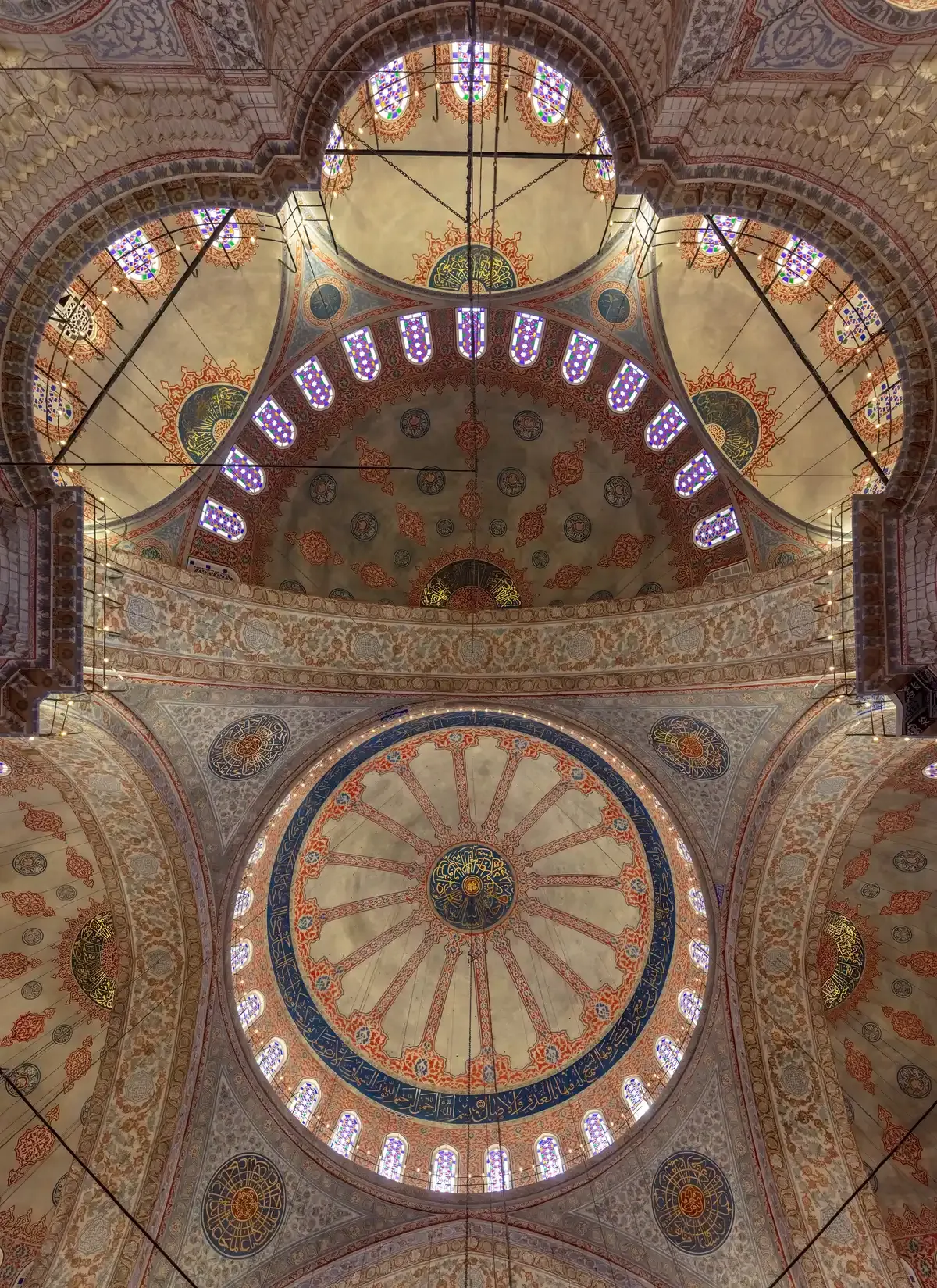
Inside the Blue Mosque, Istanbul. Photo: Diego Delso, CC BY-SA 4.0, via Wikimedia Commons
Insurance, Health and Emergency Numbers
Three things every visitor should fix before departure: an insurance policy that matches the advice, the emergency numbers, and a plan for earthquakes.
Emergency Numbers
Turkey uses 112 for all emergencies. That single number reaches all emergency services. The older direct lines still exist: 110 for fire, 155 for police, 156 for the gendarmerie and 177 for forest fires.
For harassment or assault, the FCDO advises reporting to your hotel and to the police or gendarmerie and calling 112. Hotels must register guests with the police or gendarmerie.
| Number | Service |
|---|---|
| 112 | All emergencies |
| 110 | Fire |
| 155 | Police |
| 156 | Gendarmerie |
| 177 | Forest fires |
Travel Insurance and the FCDO Warning
The FCDO states plainly that travel insurance could be invalidated if you travel against its advice. On this route that matters only at the edges: none of the tour regions come near the 10 km Syria border zone, so the warning does not touch this route, though you should check your own policy wording. Do not assume the UK EHIC or GHIC works here.
Neither is valid in Turkey, so private medical cover is the only safety net. The FCDO also records that 7 British nationals died in Turkey in 2025 after medical procedures, which is a caution about adding surgery to a trip. If you plan quad biking or paragliding, check that your policy covers them, because the FCDO calls them extreme sports with a risk of serious injury or death, and it says jeep safaris can be dangerous too.
Budget the premium as part of the trip using the Turkey trip cost breakdown.
Earthquakes
Many parts of Turkey regularly experience earthquakes and tremors, and the FCDO says so directly. A 6.2 magnitude earthquake in the Sea of Marmara was felt strongly in Istanbul. The far larger Kahramanmaras earthquakes of magnitude 7.8 and 7.7 struck the southeast, in a list of 13 provinces including Hatay, Gaziantep and Malatya.
Canada advises moving to higher ground if you are near the coast after a strong quake. The practical steps are simple: note the exits in your hotel, keep shoes and a phone by the bed, and follow hotel staff instructions. This is a background risk to know about, not a reason to change plans, and the season you pick matters more for comfort, as the best time to visit Turkey page explains.
Safety Do's and Don'ts
Do
- Do keep your wallet in a front pocket, because the FCDO says street robbery and pickpocketing are common in the major tourist areas of Istanbul and pickpocketing happens in crowds and on transit.
- Do agree on a price for a shoe shine before it starts, because a genuine shiner stays in one spot and charges about 5 to 10 TL, while the dropped-brush scam ends in a large demand.
- Do ask what is included before you eat, because bread, nuts or extra fries that arrive uninvited can be added to the bill and some restaurants hand foreigners a separate, higher-priced menu.
- Do carry your original ID, because Canada says to carry originals rather than copies, and hotels must register guests with the police or gendarmerie.
- Do dress modestly at mosques and religious shrines, because the FCDO says so, and at the Blue Mosque men wear long trousers while women cover hair, shoulders and knees.
Don't
- Don't follow a well-dressed stranger to a bar, because Canada warns the Istanbul bar scam ends with tourists forced to pay a steep bill.
- Don't start a taxi ride without agreeing that the meter runs, because taxi overcharging is reported around traffic jams and supposed shortcuts.
- Don't photograph military or official installations, because the FCDO warns against it, and ask before photographing people.
- Don't touch illegal drugs, even in airport transit, because the FCDO warns of prison sentences of 4 to 24 years and heavy fines.
Safety Questions
Is Istanbul safe for tourists on a package tour?
The FCDO reports street robbery and pickpocketing as common in Istanbul's major tourist areas, so the risk is petty crime rather than violence. A guided package such as the Private Istanbul Tour 1 to 3 Days at $90 puts a licensed local between you and the worst of it.
Is it safe to travel to Turkey right now?
The UK FCDO advises against all travel only within 10 km of the Syria border, and Canada adds the Iraq border strip plus non-essential travel to Hakkari and Sirnak. The FCDO also says terrorists are likely to try to carry out attacks in Turkey. In 2025, 4.27 million British travellers visited.
Is Turkey safe for Americans?
The Turkish foreign ministry lists ordinary US passports as visa-exempt for 90 days in any 180 days, though some commercial pages say an e-visa is required, so check the ministry page before you fly. The same city-level precautions apply as for any visitor. Istanbul took 16.01 million foreign visitors in the first ten months of 2025, and one statistics site lists the US as its third largest source in 2025, at 1.06 million. Compare routes on the homepage of Turkey package tours.
Are Cappadocia hot air balloons safe?
Operators are licensed by Turkish civil aviation, SHGM, and a green, yellow or red flag is issued each morning after weather data is analysed around 04:30, with the wind limit given as about 11 knots by operator guides and 10 to 12 knots by others. The with-balloon option of the 3-Day Cappadocia Tour with Balloon lists a 75 euro per person refund if the ride is cancelled for weather.
Do I need travel insurance for Turkey?
Yes, because the UK EHIC and GHIC are not valid in Turkey and the FCDO warns insurance can be invalidated if you travel against its advice. Costs to plan for sit in the Turkey trip cost guide.
Is it safe to travel alone as a woman in Turkey?
Canada says solo women may face harassment, verbal abuse and sexual assault, and advises calling 112 to report it. Of 4.27 million British visitors in 2025, 29 sexual assault cases, including rape, were reported to British consular staff, mostly in coastal resorts during the tourist season. A guided small-group format such as the 4-Day Turkey Highlights Package at $1,649 keeps movements structured.